🍃
🌿
🍃
🌱
🍃
🌿
🍃
🌿
🕊️
🐦
🕊️
🌸
🌼
🌺
🌻
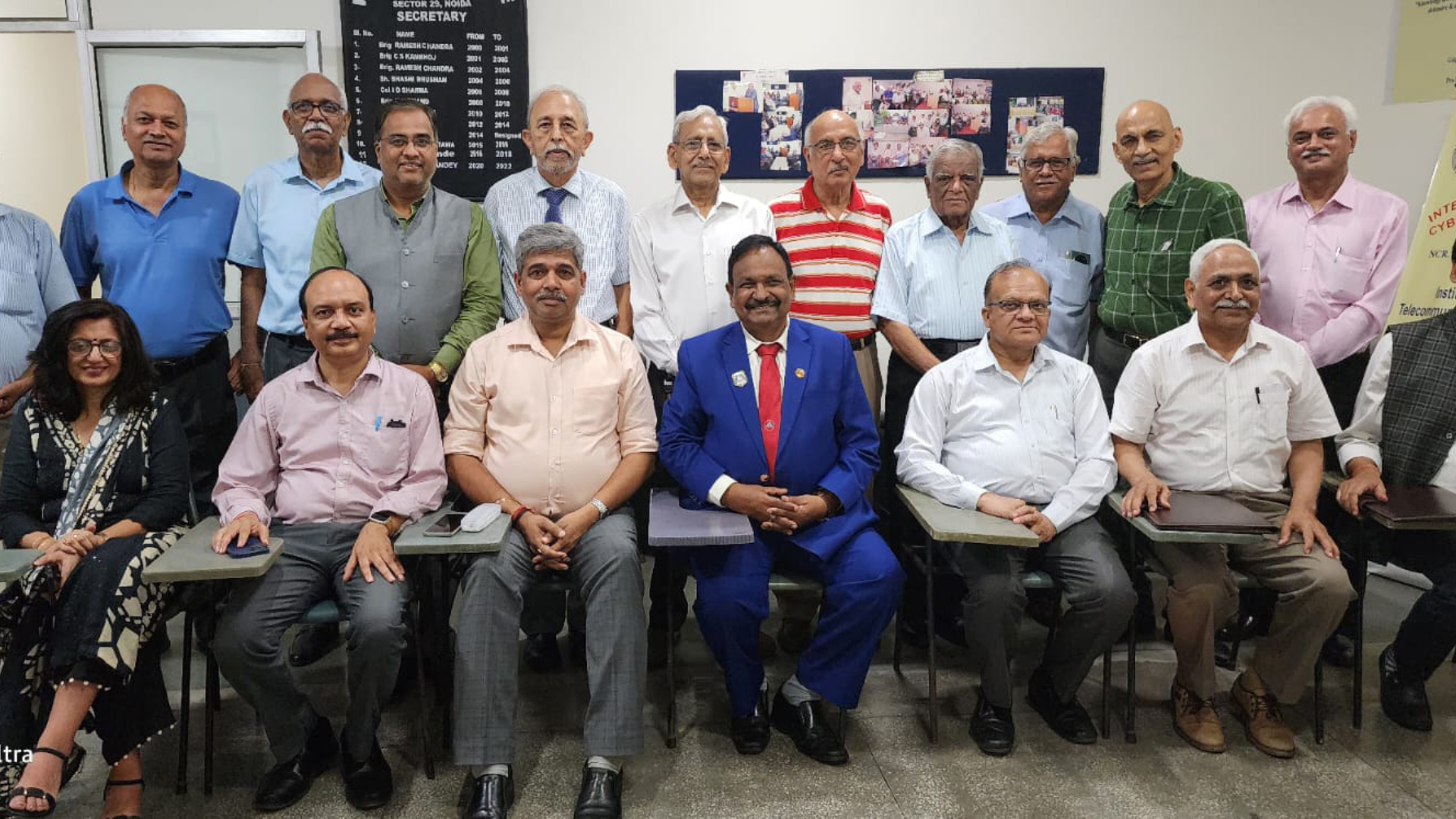
The Institution of Electronics and Telecommunication Engineers (IETE) Noida Centre is a premier professional society dedicated to the advancement of electronics, telecommunications, and information technology. Established in 2000, IETE Noida Centre provides a platform for professionals to enhance their skills, participate in technical events, and contribute to industry growth. Its programs, workshops, and publications help shape the careers of engineers and technologists in India and abroad.
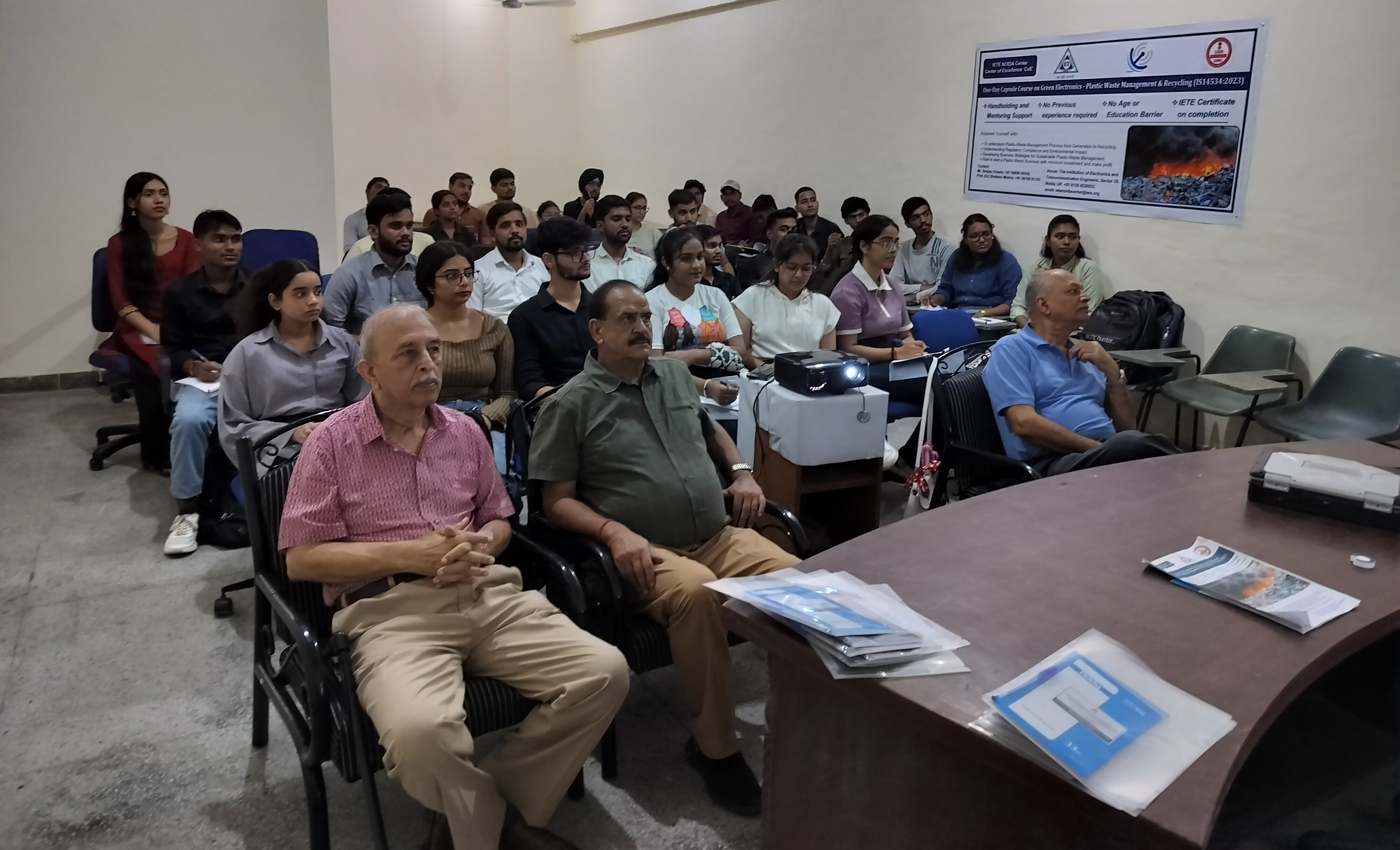
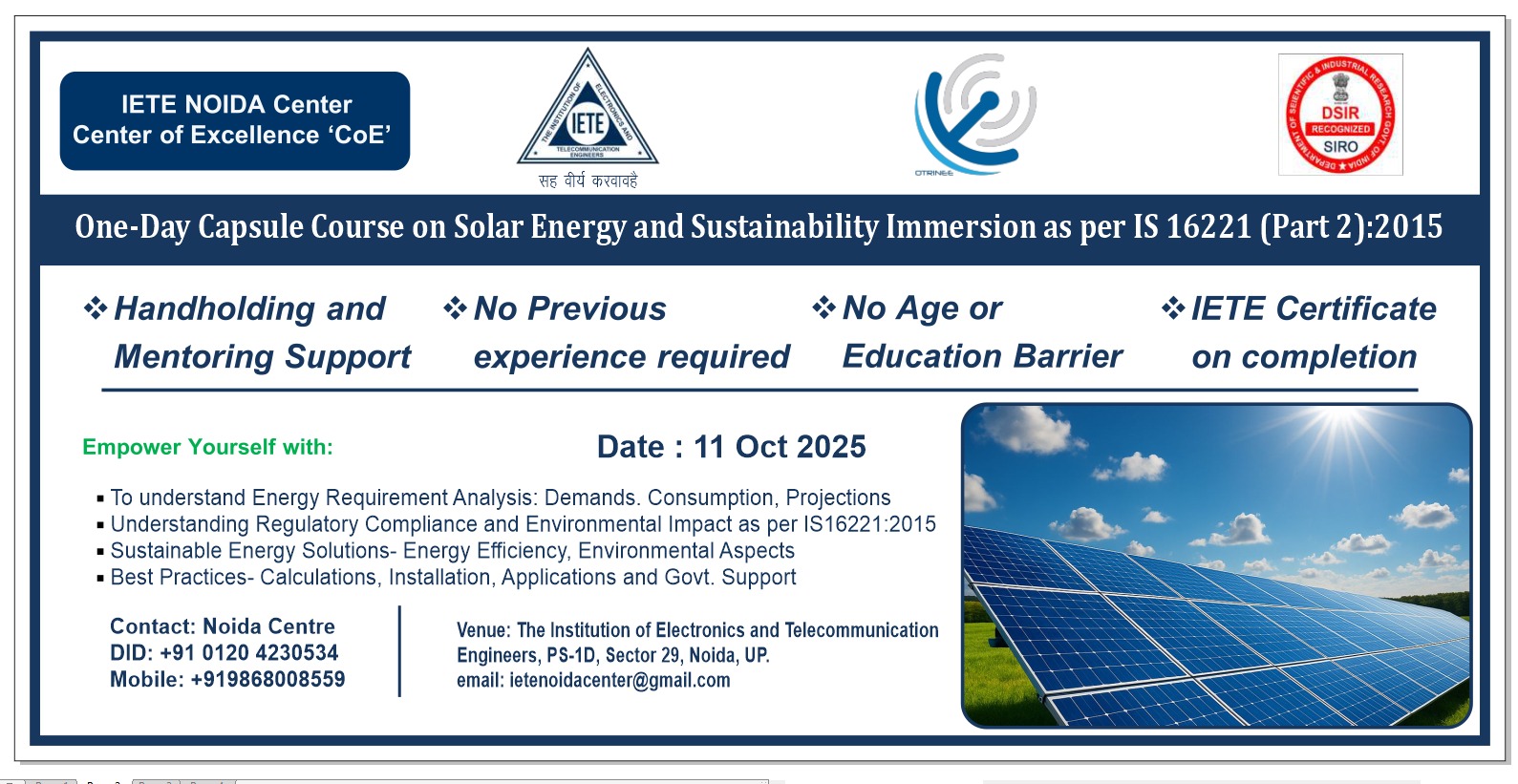
IETE Noida Centre is a professional platform dedicated to promoting excellence in Electronics, Telecommunications, Information Technology, Computer Science, and emerging technologies. As a part of The Institution of Electronics and Telecommunication Engineers (IETE), which was founded in 1953 and is recognized by the Department of Scientific and Industrial Research (DSIR), Government of India, as a Scientific and Industrial Research Organization (SIRO), we strive to empower students, researchers, academicians, and industry professionals through technical education, skill development, workshops, seminars, conferences, and industry-academia collaboration. Our mission is to foster innovation, professional growth, and technological advancement while contributing to nation-building through knowledge sharing and capacity development.
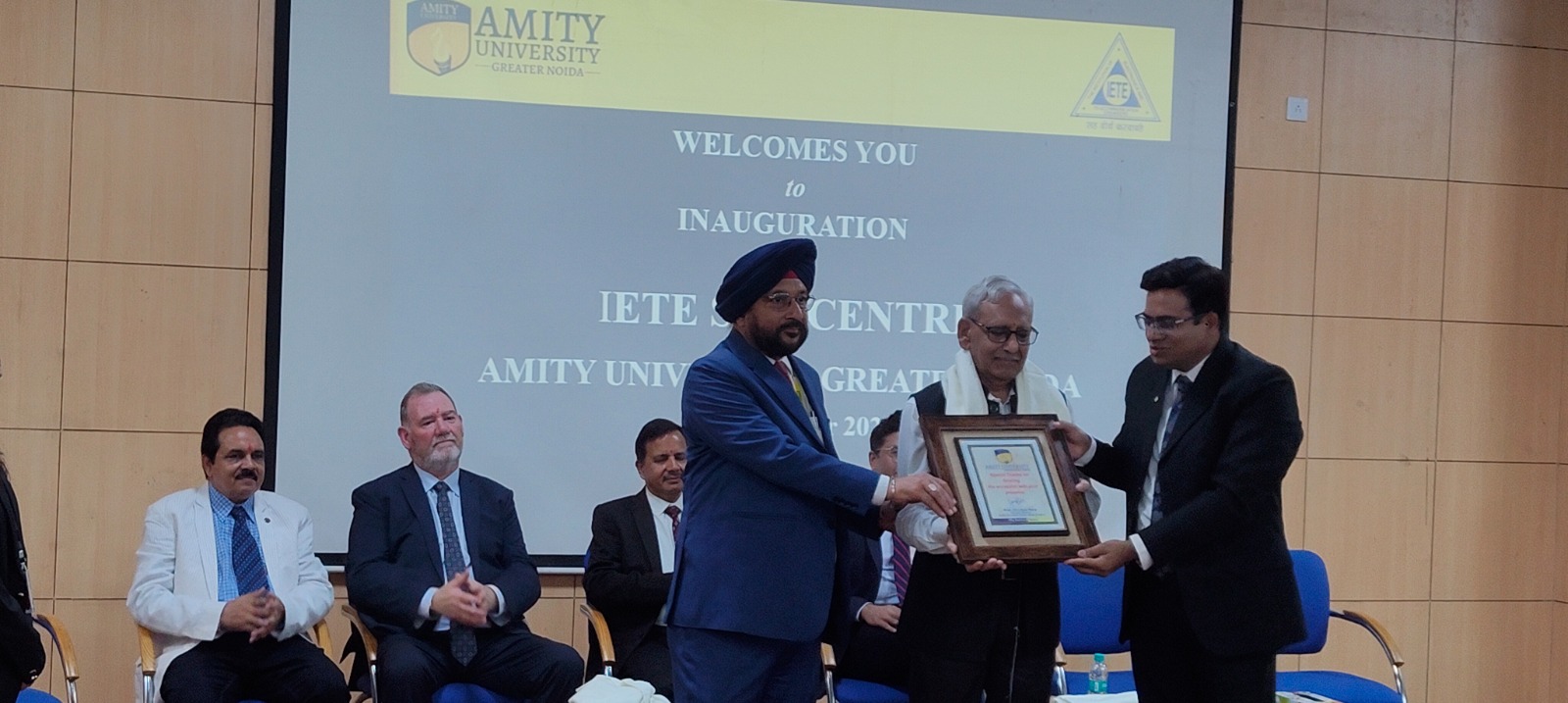
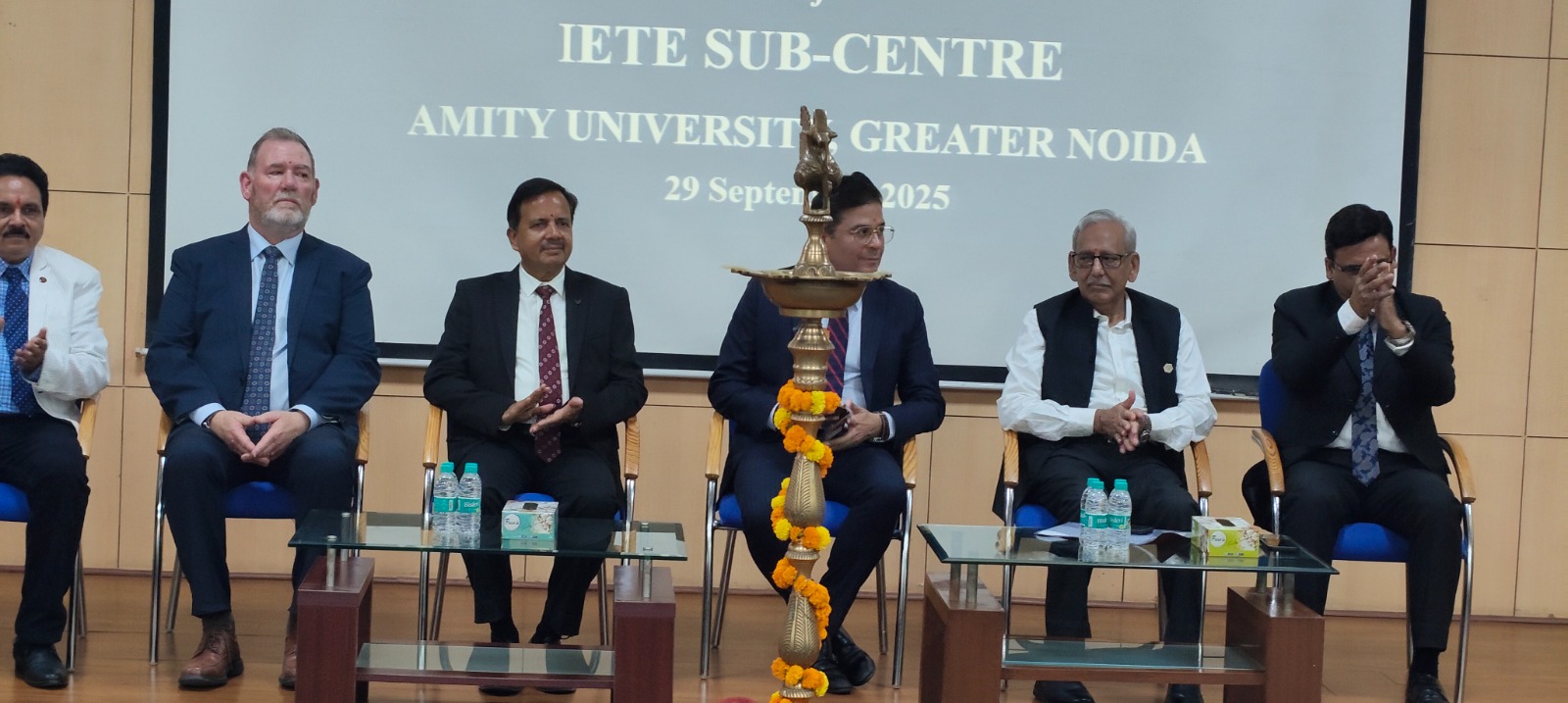
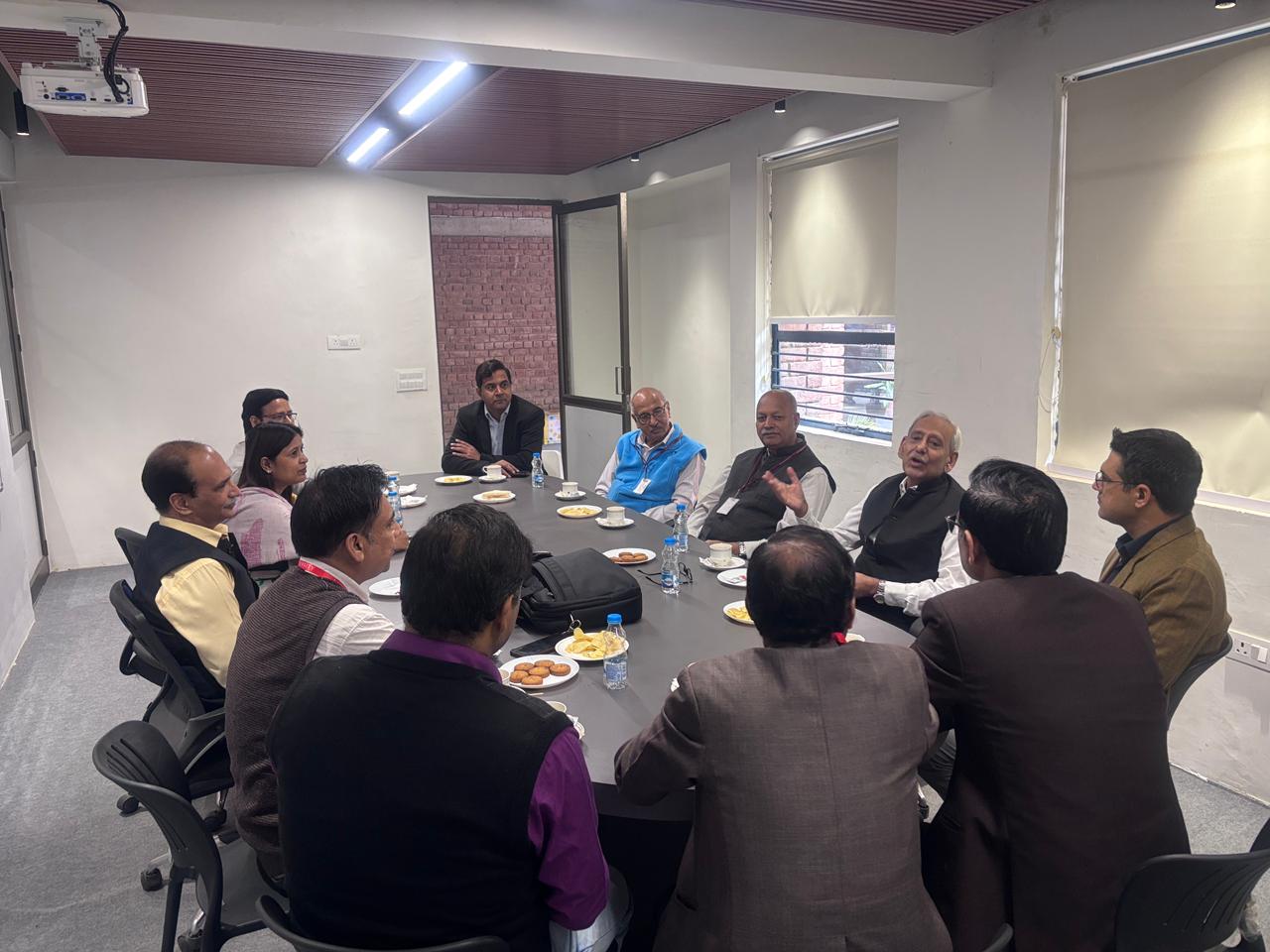
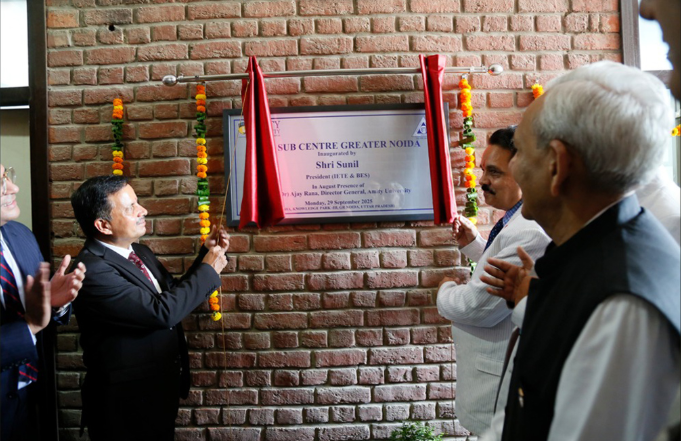
The IETE proudly inaugurated its new Sub-Centre dedicated to advancing innovation, technical education, and research excellence. The event marked a new milestone in expanding IETE’s reach and providing a collaborative platform for students, professionals, and researchers.
On October 15–16, 2025, IETE Noida Center and Noida International University (NIU) jointly organized a two-day international conference on "AI-Driven Innovation for Industry 4.0 to Society 5.0 (ICADIS 2025)" at the NIU campus. The conference gave academics, researchers, business professionals, and students a forum to talk about the latest developments and uses of AI in changing industrial systems and forming a society driven by technology. The event promoted knowledge sharing, creativity, and cooperation between academia and business through keynote addresses, technical sessions, and paper presentations.
On March 8, 2026, Prof. (Dr) Shailesh Mishra, Advisor for Technical and Regulatory Affairs at the IETE Noida Centre, represented the institution at the International Conference on “New Changes in ISO 14001.” Hosted by the Bureau of Indian Standards (BIS) under the Ministry of Consumer Affairs, the event featured prominent dignitaries, including Prof. S.K. Sharma (Chairperson, EED 01), Chandan Bahal (Deputy Director General, BIS), and Virendra Singh (Head, Environment and Ecology Division, EED 1). During the deliberations, Prof. (Dr) Mishra and fellow experts analyzed the newly incorporated updates to ISO 14001, focusing on how these changes strengthen environmental management systems, evolve regulatory frameworks, and align domestic compliance with global standards. The conference served as a vital collaborative platform for policymakers, industry leaders, and academicians to discuss integrating modern ecological policies with technological advancements to drive sustainable industrial growth and long-term environmental governance.
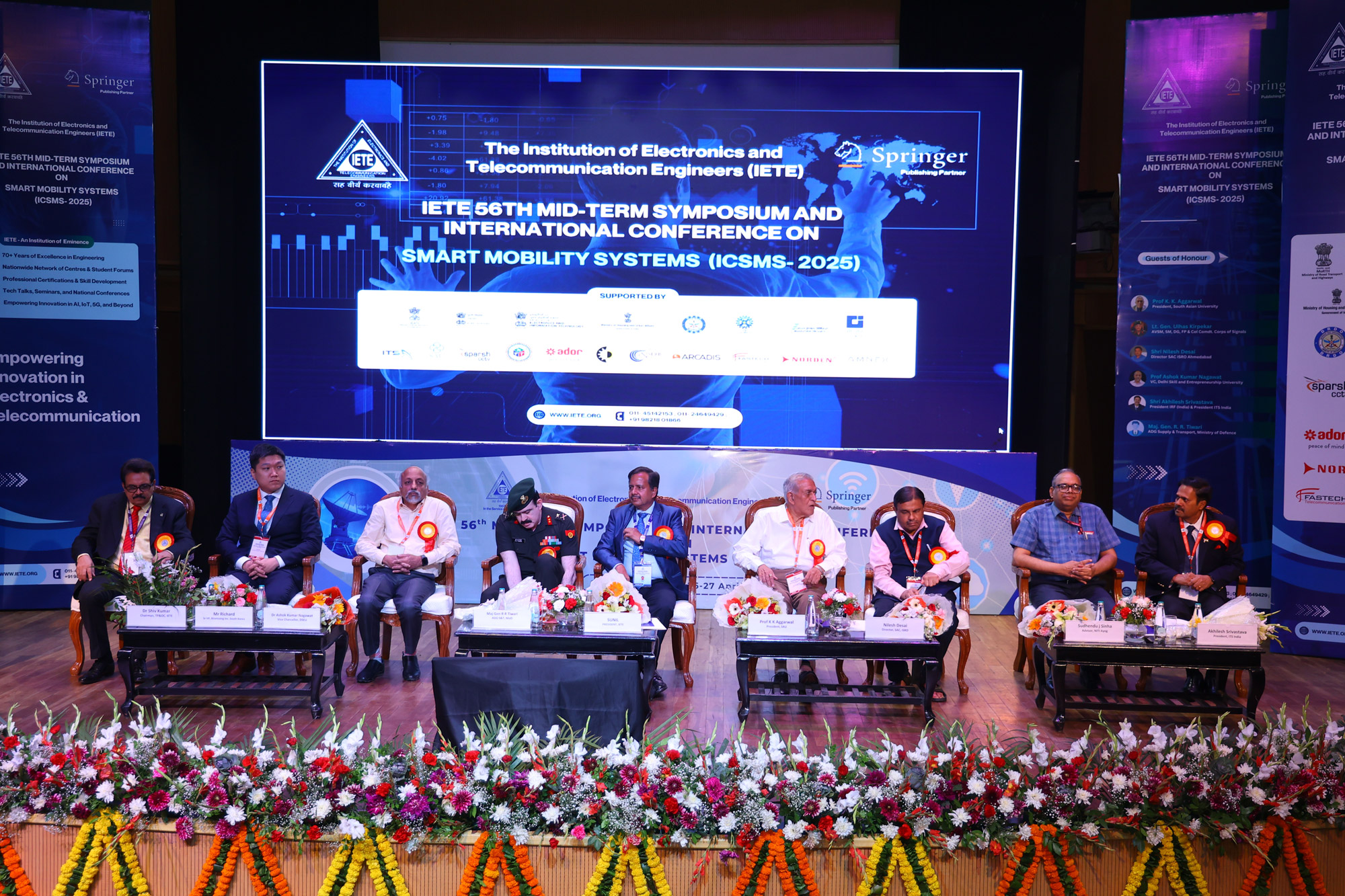
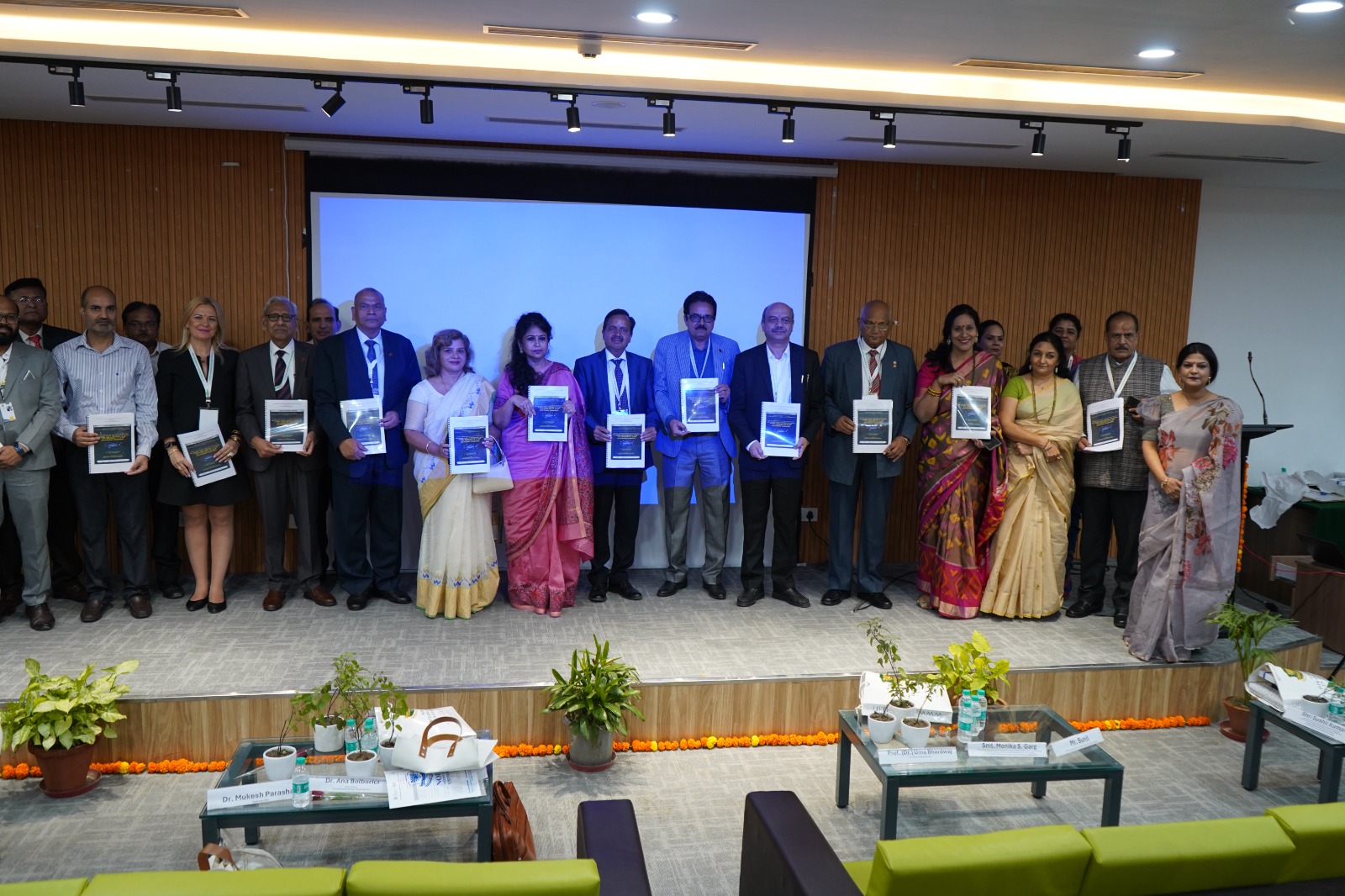
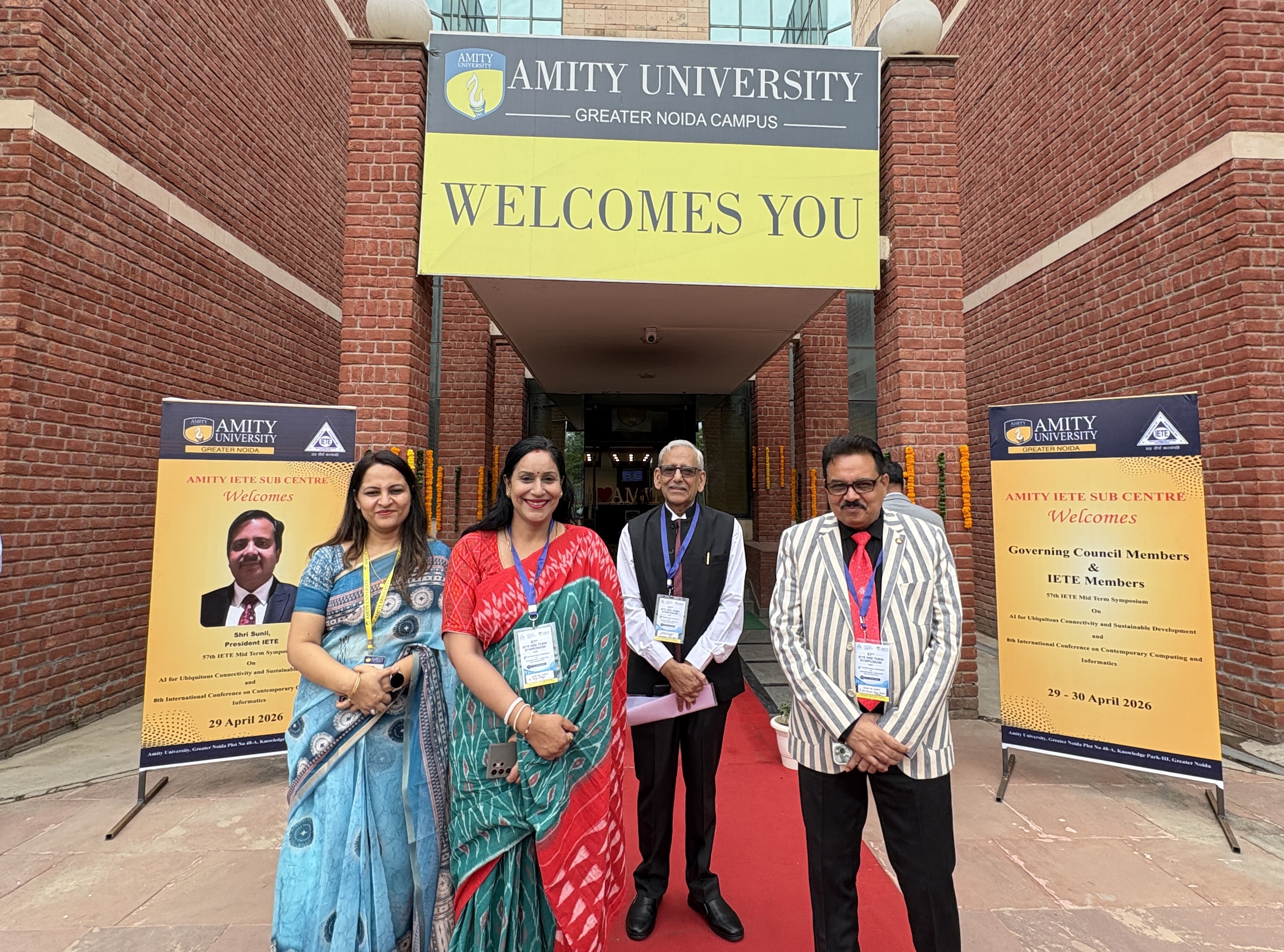
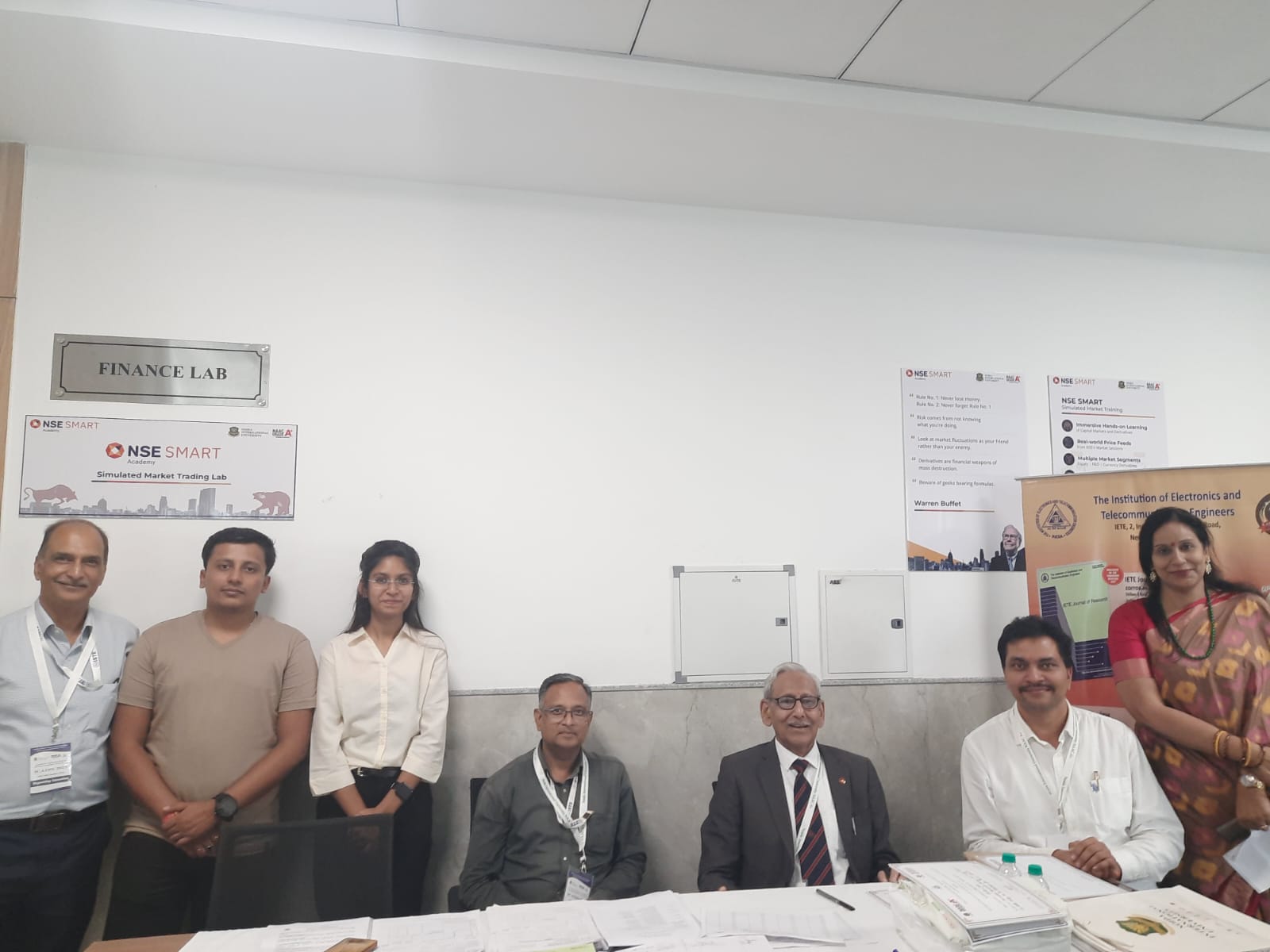
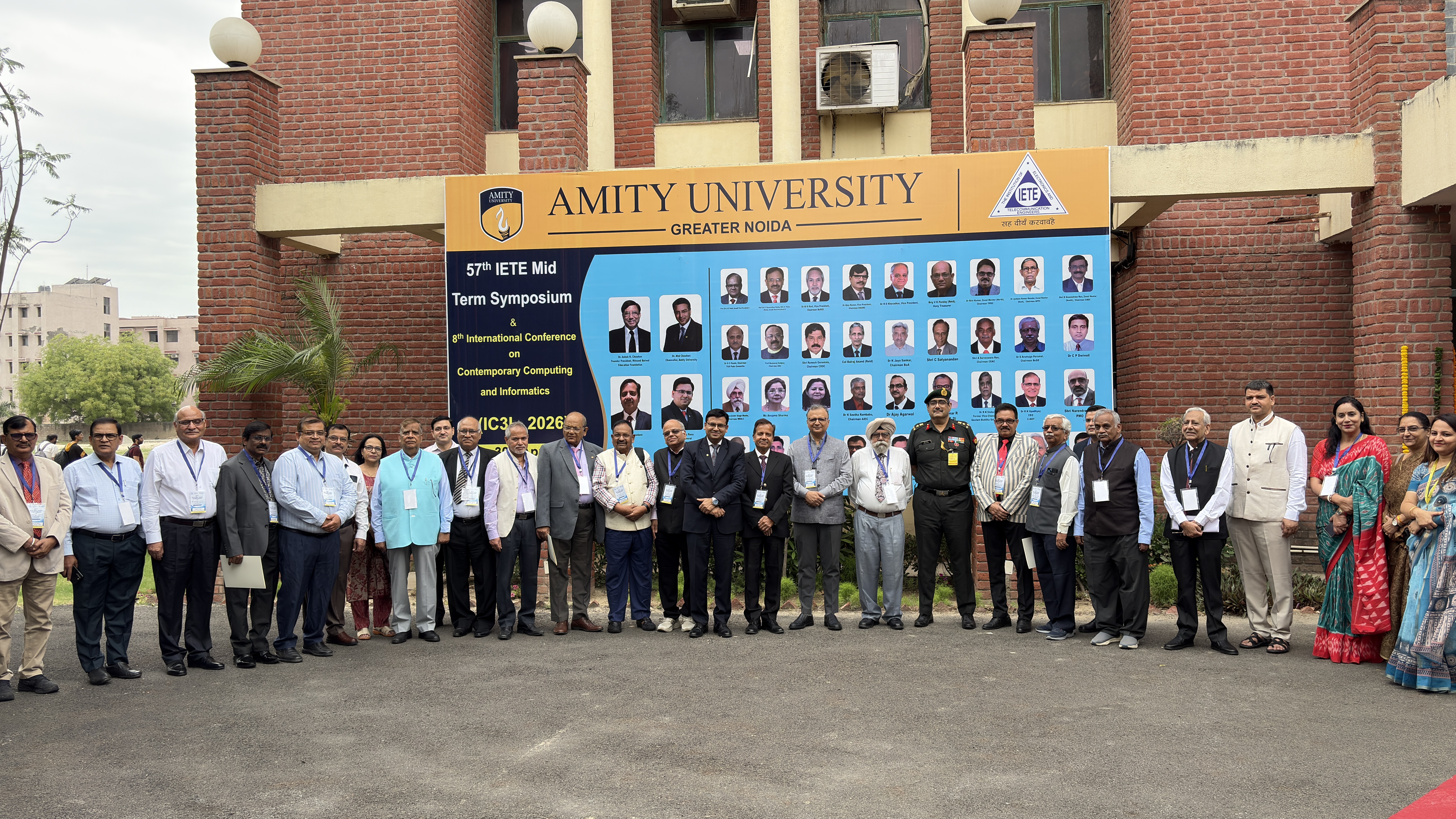
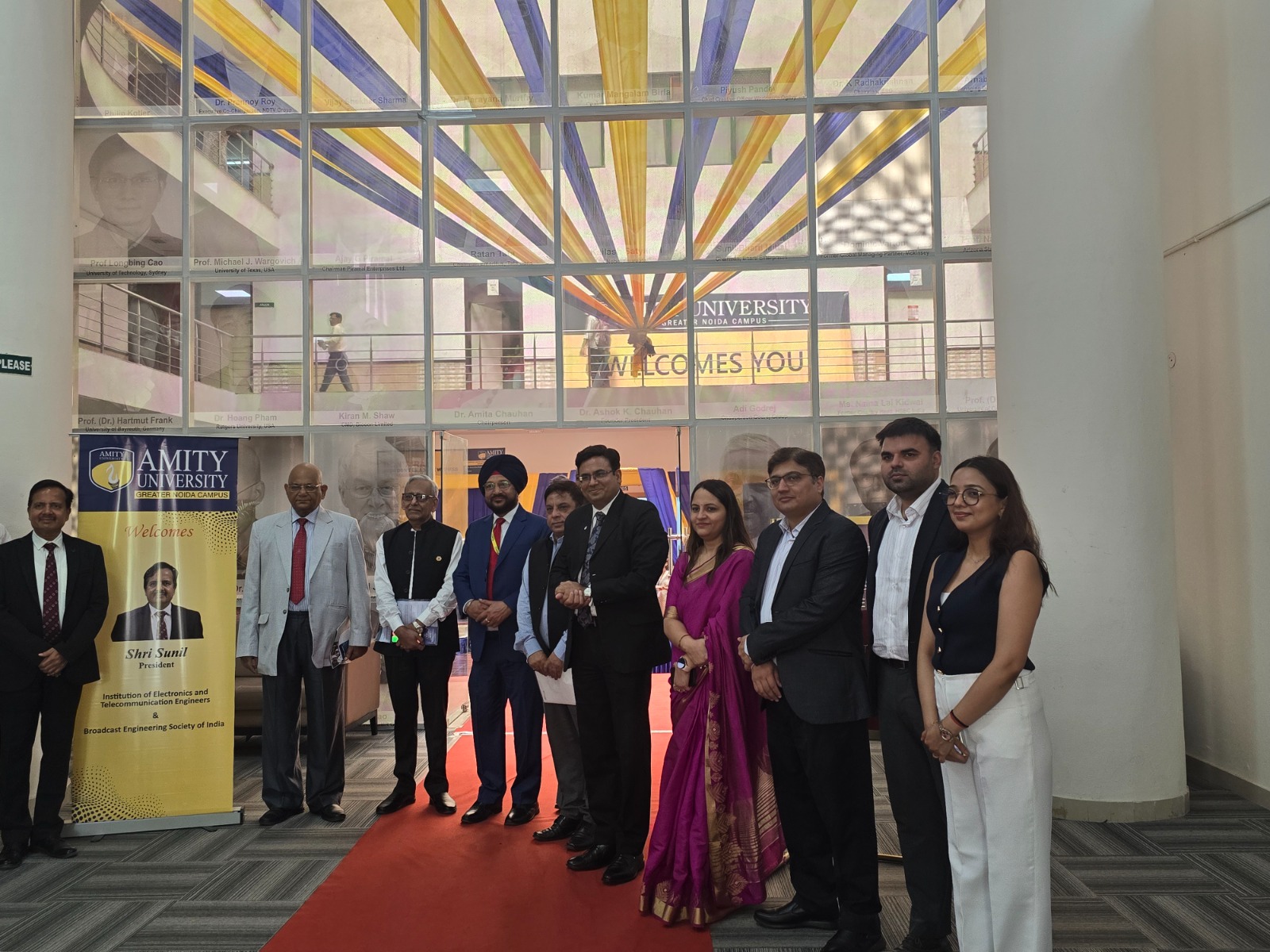
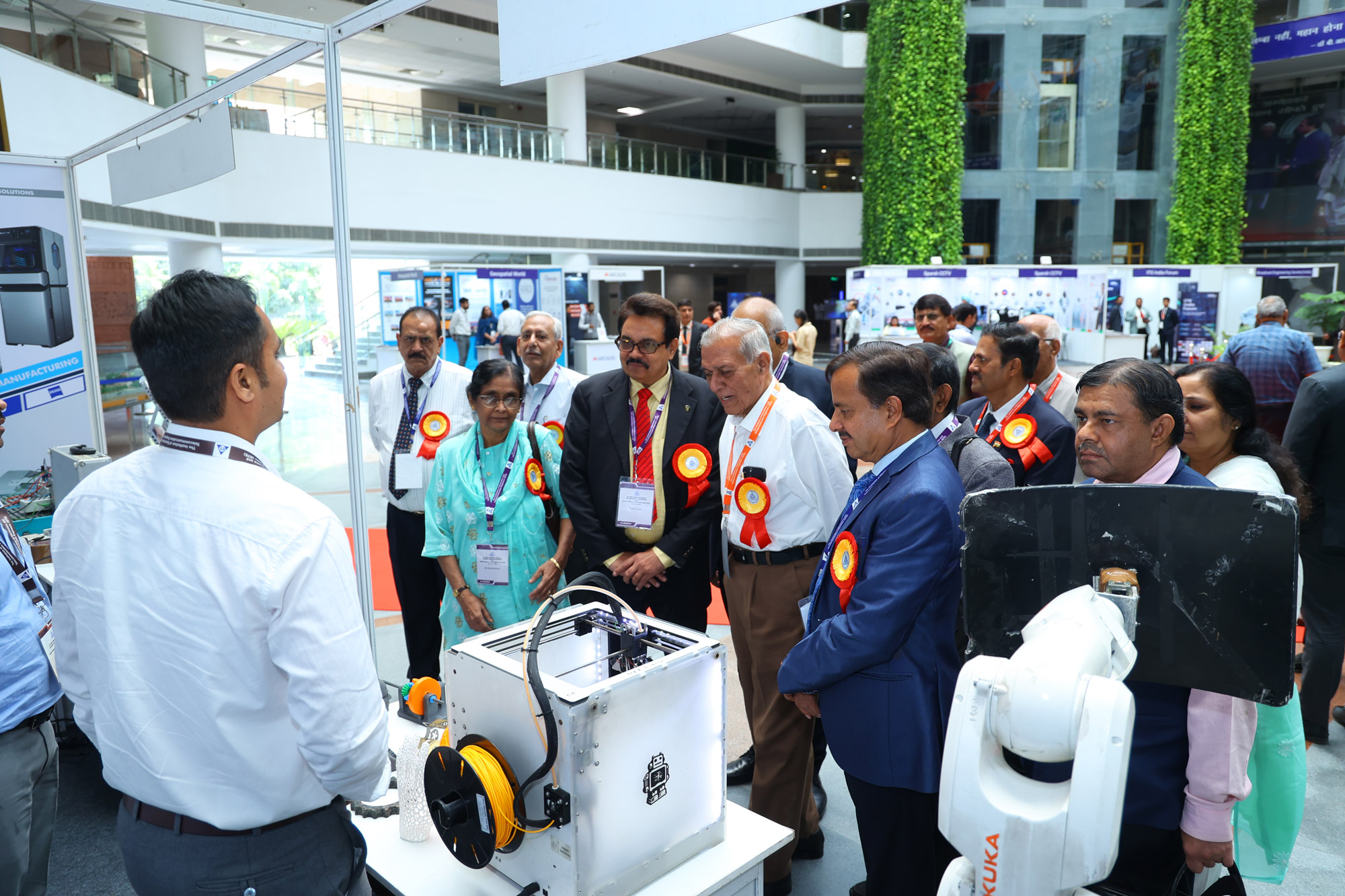
The 57th IETE Mid Term Symposium and 8th International Conference on Contemporary Computing and Informatics (IC3I-2026) was successfully organized by The Institution of Electronics and Telecommunication Engineers (IETE) in association with Amity University, Greater Noida, on 29–30 April 2026. The conference was based on the theme “AI for Ubiquitous Connectivity and Sustainable Development” and brought together academicians, researchers, industry professionals, and students from across the country. The event focused on emerging technologies such as Artificial Intelligence, Machine Learning, IoT, Cyber Security, Cloud Computing, and Sustainable Technologies. Distinguished experts highlighted the importance of advanced technologies in building smart, connected, and sustainable systems for the future. The symposium witnessed active participation and served as an important platform for knowledge sharing, innovation, and academic collaboration.