
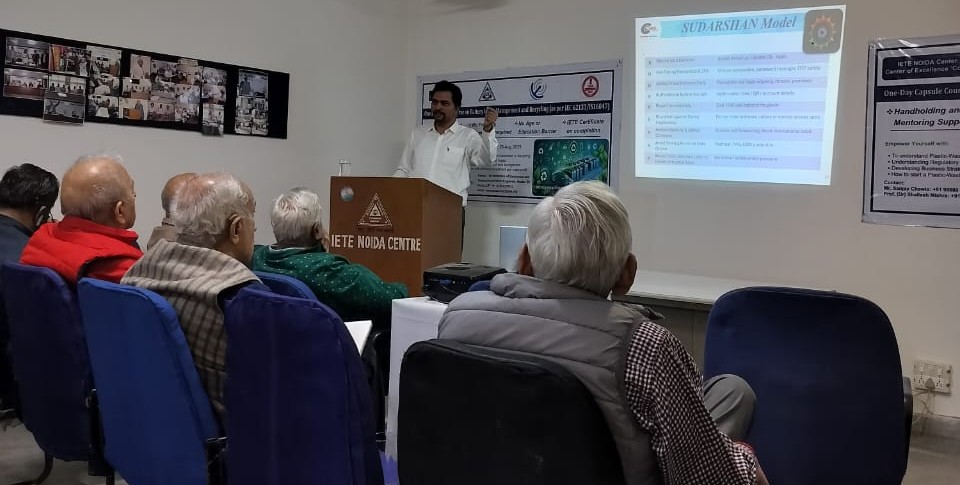
In today’s digital world, cyber frauds and online scams are increasing rapidly, especially targeting senior citizens and retired government employees. With banking, pension services, healthcare, and bill payments moving online, awareness and caution are essential to stay protected.
Fraudsters often use fake calls, messages, emails, and websites to steal personal information and money by pretending to be bank officials or government representatives. Understanding these threats and following safe online practices is crucial.
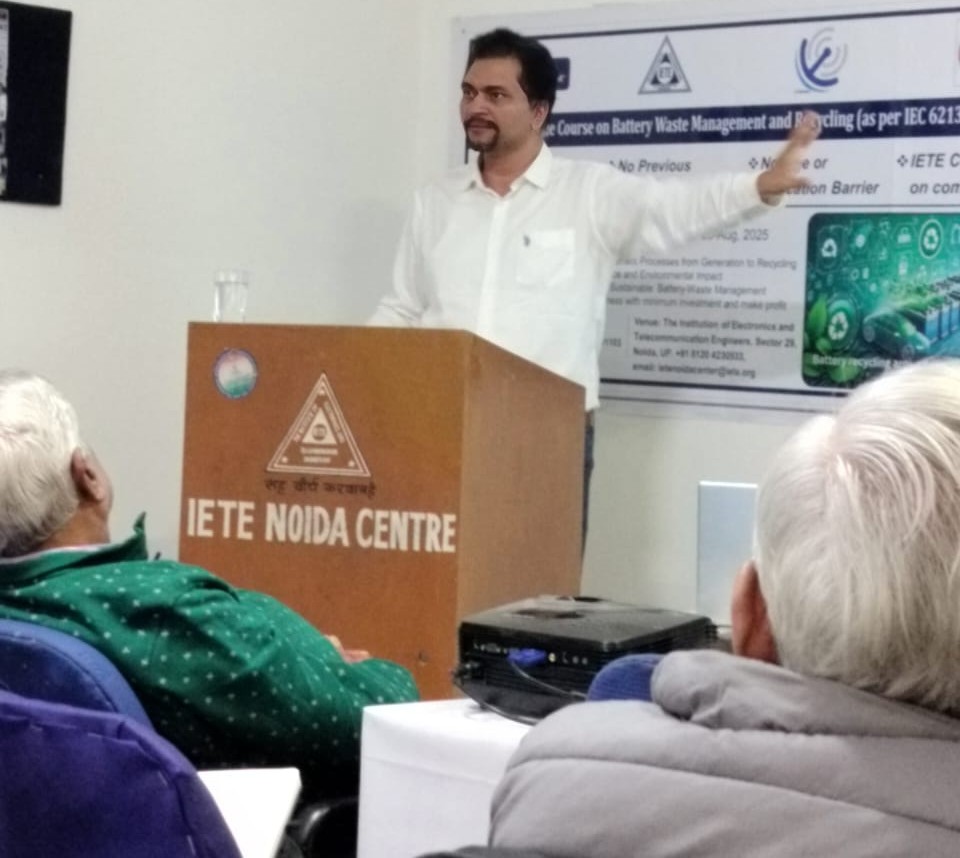
Mr. Neelabh Rai (EC-Member)
Website: www.cybercrime.gov.in
Helpline Number: 1930
Cyber security awareness empowers senior citizens to confidently and safely use digital services in their daily lives. By staying alert, carefully verifying calls, messages, and emails, and following safe online practices, they can protect their personal information and hard-earned savings from fraudsters. Simple habits such as not sharing OTPs or passwords, using secure and strong passwords, and reporting suspicious activities help reduce the risk of cyber crimes. Being informed also brings peace of mind, enabling senior citizens to enjoy the benefits of digital banking, online services, and communication without fear or stress.